All roles/Engineering/Second Engineer
Engineering
Second Engineer
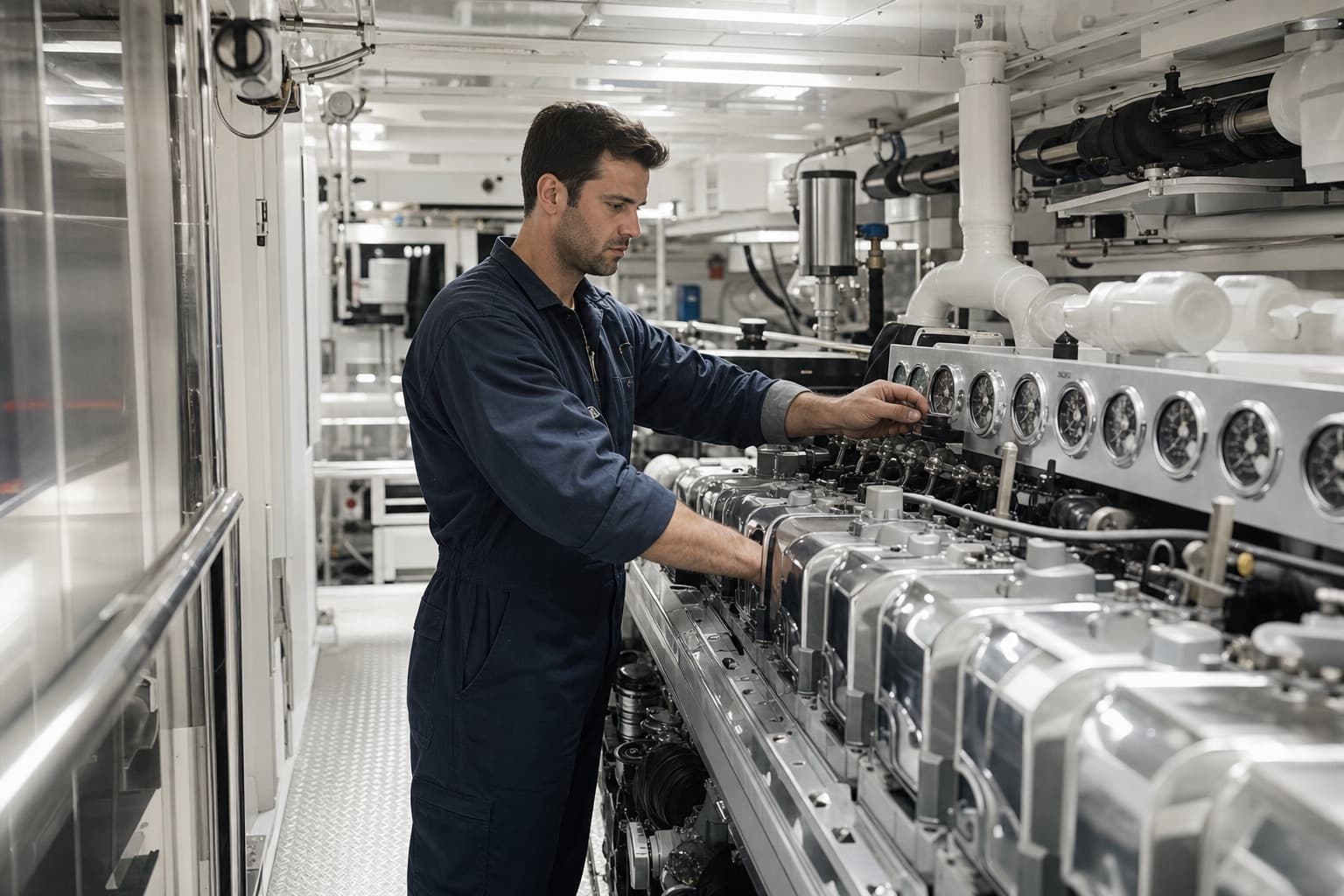
The Second Engineer runs the daily maintenance and watchkeeping in the engine room, keeping generators, propulsion and hotel systems working so the yacht can sail, and guests never notice anything going wrong.
- Department
- Engineering
- Reports to
- Chief Engineer
- Yacht size
- 50m to 150m+
- Contract
- Permanent or rotation
- Starting pay
- €5,500 per month
What the job is
As Second Engineer you are the Chief Engineer's right hand in the engine room. On a 60m yacht that usually means a team of three or four engineers, and you lead the hands-on work. You carry out the planned maintenance on main engines, generators, watermakers, sewage plant and air conditioning. You log running hours, take oil samples and keep the maintenance software accurate, so nothing is missed between services or before a flag survey.
Much of the job is hotel systems rather than propulsion. Guests feel a broken air conditioning unit or a cold shower long before they notice an engine fault. So you spend real time on chillers, hot water calorifiers, pumps, stabilisers and the black and grey water systems. On passage you stand engine room watches. At anchor you run generators, top up fuel and fresh water, and fault find whatever breaks, often at night when the guests are asleep.
You also supervise the Third Engineer and Junior Engineer, plan their day and check their work. On larger yachts you may own a whole area, such as tenders and toys, or the electrical side. You order spares, deal with contractors in the shipyard and help prepare for refits. The step from Third to Second is about taking responsibility. The Chief should be able to leave the engine room in your hands and trust it will run.
What makes a good one
- Diesel engine and generator maintenance
- Fault finding on hotel systems
- Reading electrical and hydraulic drawings
- Leading junior engineers
- Accurate maintenance records
A day in the life
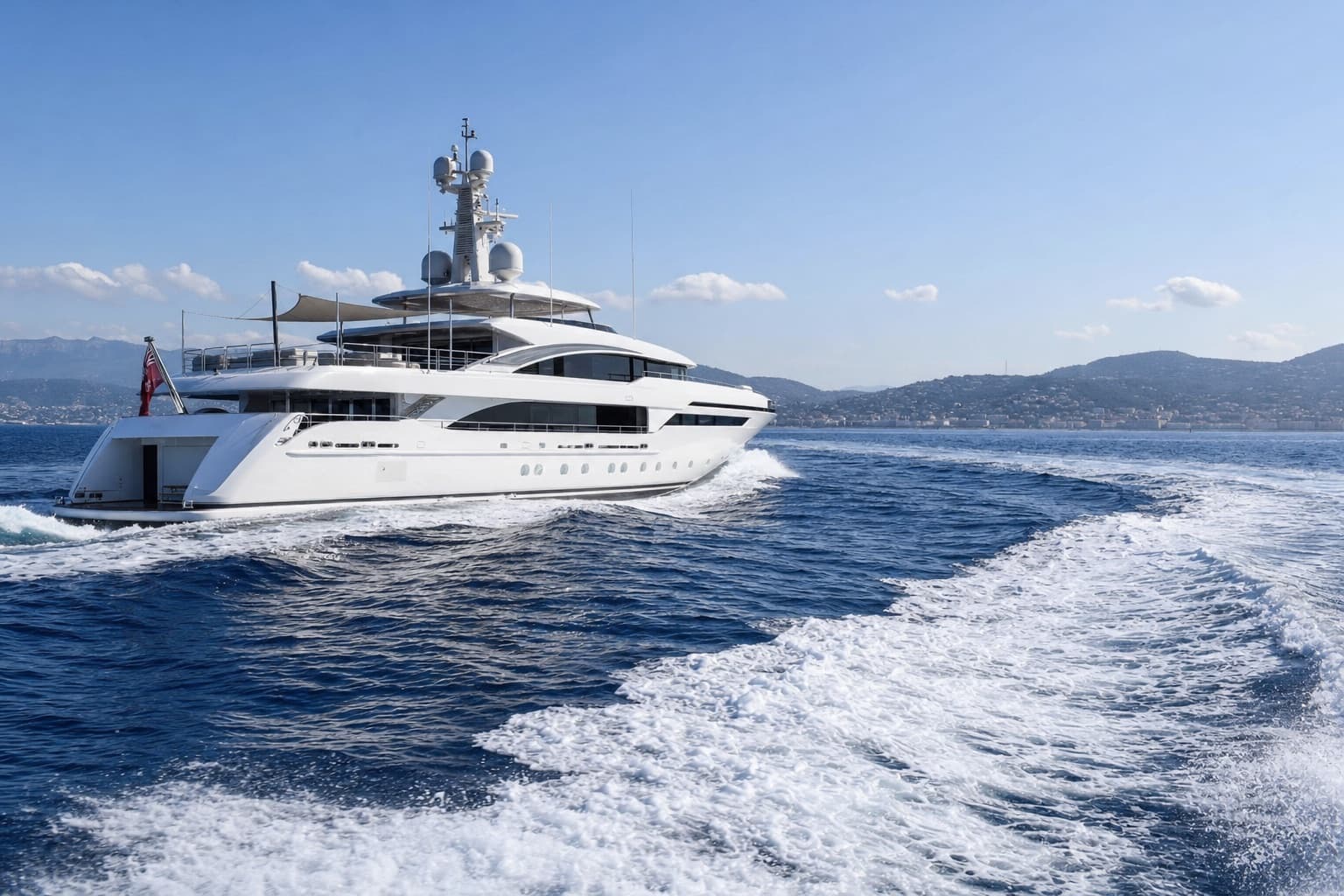
- 06:30Engine room rounds before guests wake. Check generator loads, temperatures, bilges, tank levels and the watermaker, and note readings in the log.
- 07:30Morning meeting with the Chief Engineer to agree the day's jobs. You brief the Third Engineer and Junior Engineer and hand out tasks.
- 08:30Planned maintenance on the standby generator: oil and filter change, belt inspection and running hours updated in the maintenance software.
- 10:30The interior reports a guest cabin running warm. You trace it to a blocked fan coil filter, clean it and check the chiller set points.
- 12:30Lunch in the crew mess, then a quick tender check with the deck team before the afternoon water toys run.
- 14:00Fuel and fresh water transfers, sewage tank checks, and a call with a supplier to order watermaker membranes for delivery in Palma.
- 16:30Fault finding on a stabiliser alarm with the Chief. You check the hydraulic pressures, reset the system and log the event.
- 19:00Evening rounds and handover to the duty engineer. You make sure the deck lights, underwater lights and hot water are ready for dinner.
- 22:00On call overnight. Your radio stays on in case a generator trips or a guest system fails.
Pay by country
Monthly salary on 50m to 80m yachts, usually paid in EUR or USD. Higher on 100m+ yachts and with a Y2 ticket. Charter tips are shared equally with all crew and can add a month's pay or more per season.
- France and Monaco
- €5,500 – 7,500
- Spain
- €5,500 – 7,500
- Italy
- €5,500 – 7,500
- United Kingdom
- £4,700 – 6,400
- USA (Florida)
- US$6,000 – 8,200
- Caribbean
- US$6,000 – 8,200
- UAE
- AED 22,000 – 30,000
- Australia
- A$9,000 – 12,500
- New Zealand
- NZ$10,000 – 13,500
Required
- STCW Basic Safety Training
- ENG1 medical
- PDSD
- MCA Y4 Engineer (minimum)
- Advanced Fire Fighting
- Medical First Aid
- HELM (Operational)
Recommended
- MCA Y3 Engineer
- MCA Y2 Engineer
- HELM (Management)
- Manufacturer engine training (MTU, Caterpillar)
- F-gas refrigeration certificate
- Proficiency in Survival Craft
Visas
- Schengen
- US C1/D
- US B1/B2
- Australian MCV
Where it leads
Second Engineer jobs open now
Questions crew ask
What ticket do I need to be a Second Engineer?
Most yachts want at least an MCA Y4, and on yachts over 70m a Y3 is often expected. Holding the next ticket up, or working towards it, makes you much easier to hire.
How much engine room experience do I need?
Usually two or three seasons as Third Engineer or Junior Engineer on a similar size yacht. Captains look for clear references from a Chief Engineer saying you can work unsupervised.
Is rotation possible as a Second Engineer?
Yes, on larger yachts rotation such as 10 weeks on and 10 off, or 2 on 2 off, is common for engineers. Expect a slightly lower monthly rate than a permanent position on rotation contracts paid only when on board.